Make Faceless Horror Story Videos That People Watch Until the End
Horror is one of the highest-retention faceless niches, and you do not need a camera or a scary voice of your own. Here is how to build a scary-story channel that posts on its own.

Stefano Ventrudo
CTO at Faceless Lab
A practical guide to building a scary-story channel that hooks fast, holds attention, and keeps posting while you sleep.
Wondering how to make faceless horror story videos that people actually watch to the end? Horror is one of the friendliest niches for faceless creators because the story does the work, not your face. A good scare lives in the voice, the pacing, the visuals and the sound, and all of those can be built without ever stepping in front of a camera. The tricky part is not the idea. It is turning that idea into a finished video fast enough to post on a rhythm, week after week.
Executive Summary
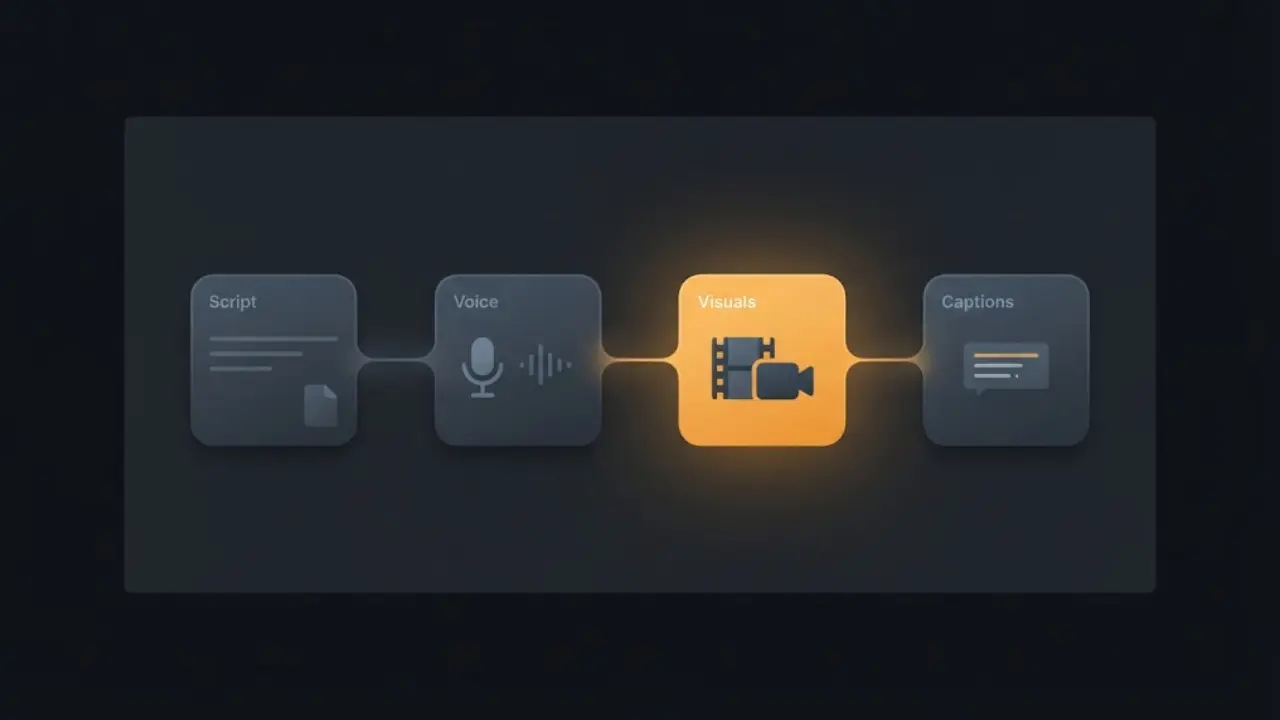
Faceless horror story videos work because fear is a retention machine: once someone is inside a good story, they need to know how it ends. To make them well you need a hook in the first three seconds, a narration voice that sounds human and unhurried, visuals and music that build dread instead of showing it, and subtitles that keep silent viewers reading. The bottleneck for most creators is not creativity, it is production time. Inside Faceless Lab you type the story idea and get a script, an AI voiceover from a large ElevenLabs voice library, matching visuals, background music and captions in one pass, then schedule and auto-publish to your platforms. Build the channel now and it will be seasoned and monetizable by the time Halloween search traffic peaks in October.
Table of Contents
- Why horror is one of the easiest faceless niches to start
- What actually makes a scary story video work
- Where to find horror story ideas that hook in three seconds
- How to make a faceless horror story video inside Faceless Lab
- Turn one scary story into a channel that posts itself
- Where Faceless Lab is and isn't the right choice
- Ride the Halloween spike without going quiet on November 1
1. Why horror is one of the easiest faceless niches to start
I run faceless channels every day, and horror keeps coming back as one of the safest places to begin. Here is why it fits creators who never want to be on camera.
The story is the star. Nobody watching a scary story cares who is narrating. They care what is behind the door. That removes the single biggest blocker most people have, which is showing their face or their voice on camera.
Fear holds attention. Horror is built on a question you have to see answered. That open loop is exactly what short-form algorithms reward, because retention and rewatches are what push a video into more feeds. Industry write-ups on faceless niches consistently place story and narration formats among the higher-retention, higher-RPM categories, with storytelling channels often cited in the $6 to $13 RPM range for long-form once monetized. Treat those as ballpark figures from the wider creator community, not a promise, because your numbers depend on niche, length and audience.
It works short and long. A 45-second creepy encounter fits Shorts and Reels. The same idea, expanded, becomes a 10-minute narration that earns more per view on YouTube. One concept, two formats, two audiences.
It is evergreen with a seasonal spike. People watch horror all year. They watch far more of it in October. Starting in August means your channel is already warm when the Halloween wave arrives.
2. What actually makes a scary story video work
Most scary videos fail in the same places. Fix these five and you are ahead of the majority of the niche.
The first three seconds. Open on the tension, not the setup. "The knocking started again at 3:07 a.m., the exact time she died" beats "Let me tell you a story about my old house." Lead with the strange detail and let curiosity pull people in.
A voice that sounds human. A flat, robotic read kills dread instantly. You want a calm, slightly slow narration with room to breathe between lines. Faceless Lab pulls from a large ElevenLabs voice library with more than 200 voices, so you can pick a low, measured storyteller tone and keep it consistent across every episode.
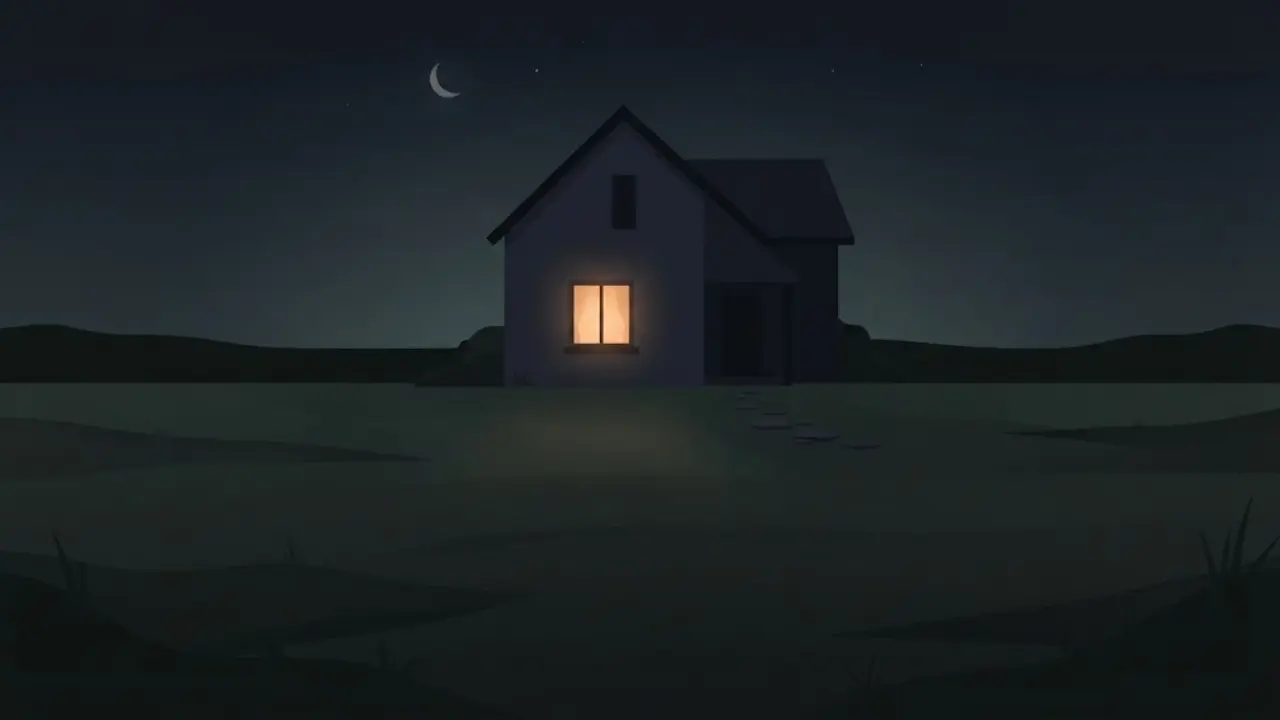
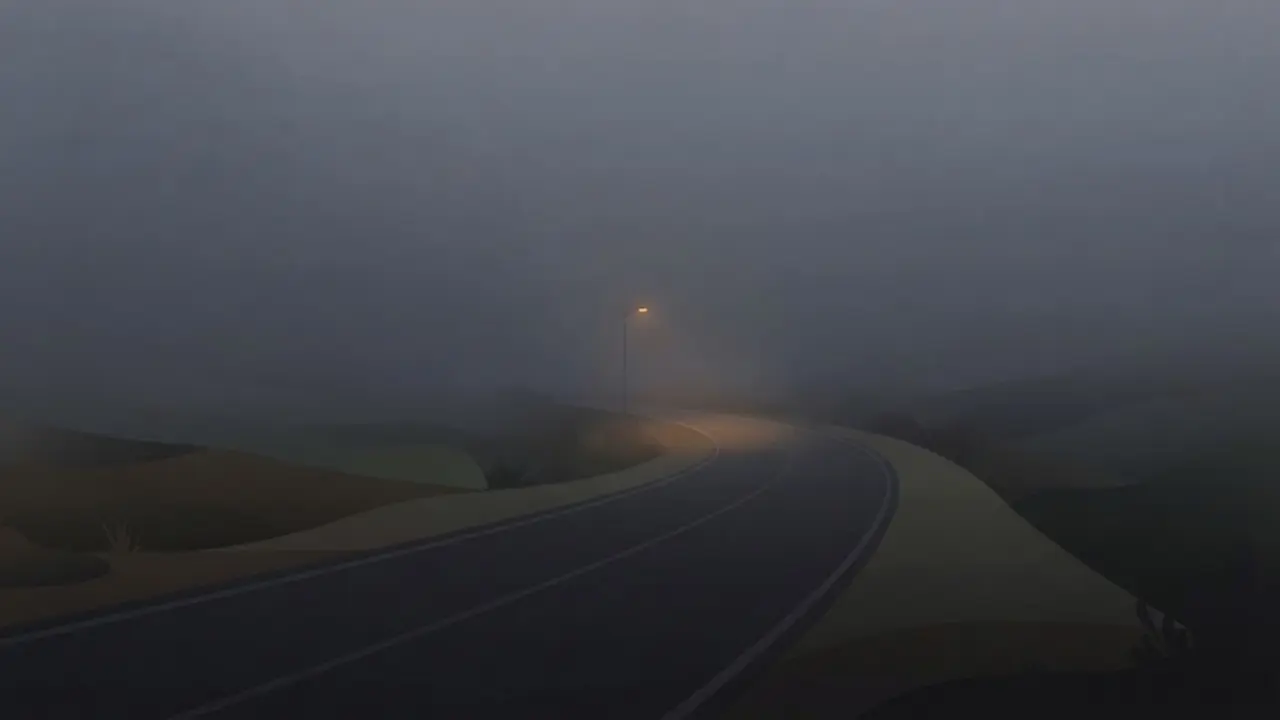
Visuals that suggest, not show. Horror is scarier when the viewer's imagination fills the gap. Dim hallways, a foggy road, a single lit window at night. Faceless Lab generates visuals through multiple models on Replicate with 39 style options, so you can lock a moody, cinematic look and reuse it every time.
Sound that does half the work. Low ambient drones and a well-placed silence do more than any jump cut. The right background track under a steady voice is the difference between creepy and forgettable.
Subtitles for the silent majority. Most short-form plays start muted. Clean, well-timed captions keep those viewers reading the story until the sound pulls them in. Faceless Lab burns in synced subtitles automatically, so a muted viewer still gets the full scare.
3. Where to find horror story ideas that hook in three seconds
You will never run out of material if you know where to look. Rotate across these sources so the channel never feels repetitive.
- Original creepypasta-style shorts. Write a fresh unsettling scenario. A sound that only you hear, a neighbor who never sleeps, a text from a number that is your own.
- Urban legends and local folklore. Every region has its own. Retell them in your voice and style, which keeps the content original.
- "Based on a true story" everyday horror. The scariest stories feel possible. A late shift, an empty parking garage, a knock at the wrong hour.
- Two-sentence horror expanded. Take a single chilling line and build the scene, the dread and the payoff around it.
- Seasonal angles. Haunted-history retellings, cursed-object stories and "the real story behind" pieces spike hard in October.
One honest caution. If you narrate stories written by other people, especially from story forums, check usage rights and rewrite heavily in your own words. Original or properly transformed material protects you under platform originality rules and keeps you monetizable.
4. How to make a faceless horror story video inside Faceless Lab
Here is the exact flow I use to go from a one-line idea to a scheduled video. It takes minutes, not an afternoon.
- Start a new video and drop in your idea or full script. Type a prompt like "a night-shift security guard hears footsteps in an empty mall" or paste a script you already wrote. The AI turns it into a scene-by-scene script.
- Pick a story structure. Faceless Lab ships with 8 built-in structures. For horror, a slow-build narrative or a "story that turns on the last line" keeps people to the final frame.
- Choose your narrator. Browse the 200+ ElevenLabs voices and lock a calm, low storyteller voice. Use the same voice every episode so the channel feels like one narrator.
- Set the visual style. Choose one of the 39 styles, a dark cinematic or muted film look works best, and let the multi-model Replicate visuals match each scene of the script.
- Add music and captions. Pick a tense ambient track from the library and let subtitles generate automatically, synced to the voiceover.
- Set the format. Export 9:16 for Shorts, Reels and TikTok, or 16:9 for long-form narration. You can produce both from the same story.
- Generate, review, and schedule. Preview the video, tweak the script or voice if needed, then schedule it to publish to your connected platforms.
5. Turn one scary story into a channel that posts itself
A single good video does not grow a channel. A rhythm does. This is where the workflow matters more than any one scare.
Batch in one sitting. Write five to ten story ideas, run them through in one session, and you have a week or two of content ready. Horror batches well because the look, the voice and the music stay the same across episodes.
Use Series to keep a theme running. Turn one idea into a recurring format, for example "True Night-Shift Horror" or "Two-Sentence Nightmares," so every episode feels connected and viewers subscribe for the next one.
Let it publish on a schedule. Faceless Lab schedules and auto-publishes to platforms like YouTube, Instagram, Facebook and LinkedIn so a batch you made on Sunday posts one per day all week. Autopilot, currently in beta, takes this further by keeping the channel fed with less hands-on work.
One note on TikTok. TikTok is excluded from fully automatic auto-publishing and needs your explicit consent for each post, so plan to push those manually or approve them as they go. Everything else can run hands-off.
6. Where Faceless Lab is and isn't the right choice
I would rather you pick the right tool than the loudest one, so here is the honest version.
Faceless Lab is a strong fit if you want one workflow that handles script, voice, visuals, music, captions and publishing, you value speed and a simple interface over an endless wall of settings, and you want to post consistently without turning editing into a second job. For a solo creator building a horror channel on a rhythm, that is the whole job done in one place.
Faceless Lab is not the right choice if you need frame-level manual video editing, custom motion graphics or a full timeline editor. We optimize for going from idea to publish-ready fast, which means we make strong automated choices rather than exposing every knob. If your horror concept depends on hand-crafted VFX or live-action footage you shot yourself, a traditional editor will serve you better for that piece.
A realistic expectation. AI visuals are cinematic and moody, which suits horror well, but they are generated, not filmed. If you want the exact look of a specific real location, you will get an atmospheric interpretation rather than a documentary shot. For most scary-story formats, that atmosphere is an advantage.
7. Ride the Halloween spike without going quiet on November 1
The mistake I see every year is people building a horror channel in October and abandoning it in November. Here is how to ride the wave and survive after it.
Now through October, ride it. Lean into seasonal formats: haunted history, cursed objects, "the real story behind" a famous legend. Post more often as October builds. This is when new-viewer volume is highest and a channel with a back catalog gets rewarded.
After Halloween, pivot the same machine. Horror does not die on November 1, the seasonal search does. Shift from "spooky season" framing back to evergreen formats: true night-shift stories, unexplained encounters, two-sentence nightmares. The voice, the visuals and the workflow stay identical, only the packaging changes. A channel that keeps posting through the winter is the one that compounds.
Plan the follow-up now. Batch a set of evergreen, non-seasonal horror episodes in September and schedule them to roll out across November so the channel never goes quiet when the Halloween traffic recedes.
Horror is one of the best places for a faceless creator to start, and the only thing standing between an idea and a finished video is production time, which is exactly the part Faceless Lab removes. Start free, ship one scary story today, and build the rhythm now so October finds you ready. If a video does well, repost it across your other platforms and tell a friend who wants to start a channel, our affiliate program pays you when they join.
Try Faceless Lab free and make your first horror video
Read more
Frequently asked questions
Do I need to show my face or use my own voice to make horror videos?
No. That is the whole point of the faceless format. In Faceless Lab the narration comes from an AI voice library with more than 200 ElevenLabs options, so you pick a calm, low storyteller voice and never record anything yourself. The visuals are AI-generated, the captions are automatic, and the music comes from a built-in library. You supply the story idea and the creative direction, the tool builds the finished video. This makes horror one of the most accessible niches for anyone who wants to grow a channel without ever being on camera or hearing their own voice on a recording.
How long should a faceless horror story video be?
Both short and long work, and the best channels do both. For Shorts, Reels and TikTok, 30 to 60 seconds in 9:16 is the sweet spot, one tight scare with a strong first line. For YouTube long-form, a 6 to 12 minute narration in 16:9 holds attention and tends to earn more per view once monetized, because ad revenue favors longer watch time. A smart approach is to write one story, publish the short version for reach, and expand the same idea into a long-form narration for revenue. Faceless Lab lets you export both formats from the same project.
Is it legal to narrate horror stories I find online?
Only with care. Stories posted on forums are still owned by their authors, so narrating them word for word can create copyright and originality problems that hurt monetization. The safe path is to write original stories, retell public-domain folklore and urban legends in your own words, or transform source material heavily enough that it becomes genuinely yours. Always check the platform's usage rules and originality policy. When in doubt, write your own scenarios. Original horror is not hard to invent, and it protects your channel long term while keeping every video fully monetizable.
What makes a scary story video actually go viral?
Retention. Short-form algorithms push videos that people watch to the end and rewatch. For horror that means three things: a hook in the first three seconds that opens a question, a calm human-sounding narration that builds dread without rushing, and visuals plus sound that suggest fear rather than showing it. Subtitles matter too, since most plays start muted and captions keep silent viewers reading. Faceless Lab handles the voice, visuals, music and synced captions automatically, so you can focus your energy on the hook and the story, which are the parts that decide whether a video spreads.
How much does it cost to start a faceless horror channel?
You can start for free. Faceless Lab has a free trial at €0 with no credit card required, which is enough to make your first videos and see if the format fits you. When you are ready to post consistently, the paid plans are Starter at €19, Growth at €59 and Pro at €149 per month, with higher tiers unlocking more output for batching and scheduling. Compared with buying separate tools for scripting, voice, visuals, music and a scheduler, a single plan that does all of it is usually the cheaper and simpler way to run a channel on a rhythm.
Can Faceless Lab publish my horror videos automatically?
Yes, with one exception. You can schedule videos and auto-publish to platforms like YouTube, Instagram, Facebook and LinkedIn, so a batch you make on Sunday posts one per day through the week. Autopilot, currently in beta, pushes this further by keeping your channel fed with less manual work. The one exception is TikTok, which is excluded from fully automatic auto-publishing and requires your explicit consent for each post, so you approve those manually. For most creators this means the channel largely runs itself while you stay in control of the platform that asks for it.
Related articles
Faceless Shorts Can Have Thumbnails Now. Make Yours Earn the Click
YouTube just gave Partner Program creators custom thumbnails on Shorts. Here is how faceless creators, with no face to feature, build a frame that earns the click and lifts views.
Make Faceless Quiz Videos That Get People Answering in the Comments
Quiz and trivia shorts are some of the easiest faceless videos to grow with. Here is how the format works, the structures that hold attention, and how to make one in minutes.
Background Music Makes or Breaks a Faceless Video. Here Is How to Get It Right.
Background music can lift a faceless video or get it muted. Here is how to pick tracks that hold attention, stay copyright-safe in 2026, and add them automatically inside Faceless Lab.